Some things, we take for granted: the ability to see the face of a loved one, to read a newspaper in the morning or a message on the cell phone, to work, to drive, and to see the world around us. But many, more than we think, suffer from poor vision and blindness, which could have been prevented through early diagnosis, proper treatment, or timely knowledge.
For the past two decades, that is exactly what the Lirot association has been doing: connecting medical research, preventive medicine, early detection, information accessibility and community activity, with a clear goal: to prevent blindness, promote ophthalmology in Israel, and turn medical knowledge into a real impact on people's lives.
Early detection and timely prevention
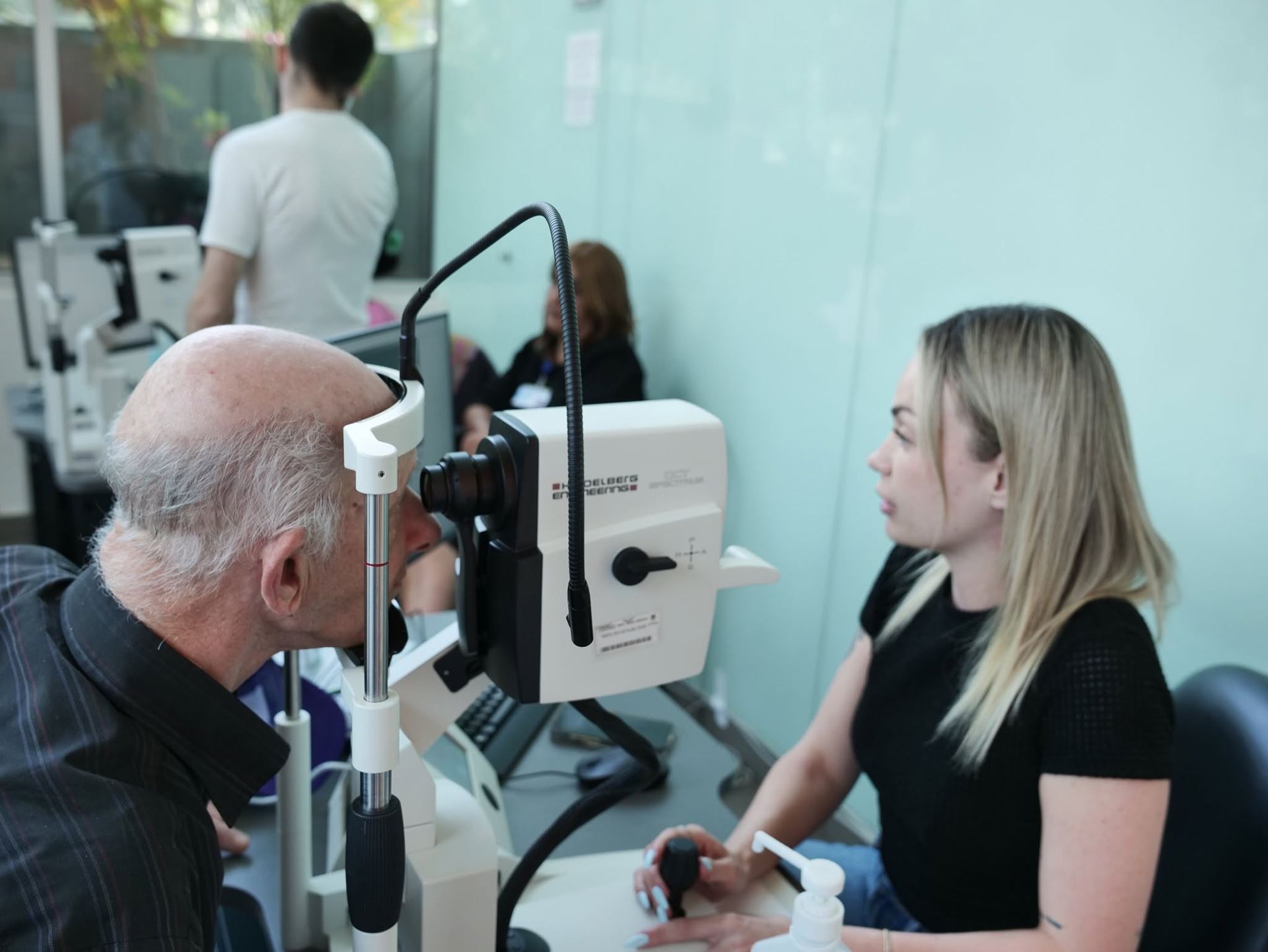
One of the organization's main projects is eye tests in the community. Thousands of elderly people in Israel accept the deterioration of their vision, to the point of blindness, as a decree of fate. Many of them are unaware that in many cases their vision and quality of life can be significantly improved through today's advanced medicine.
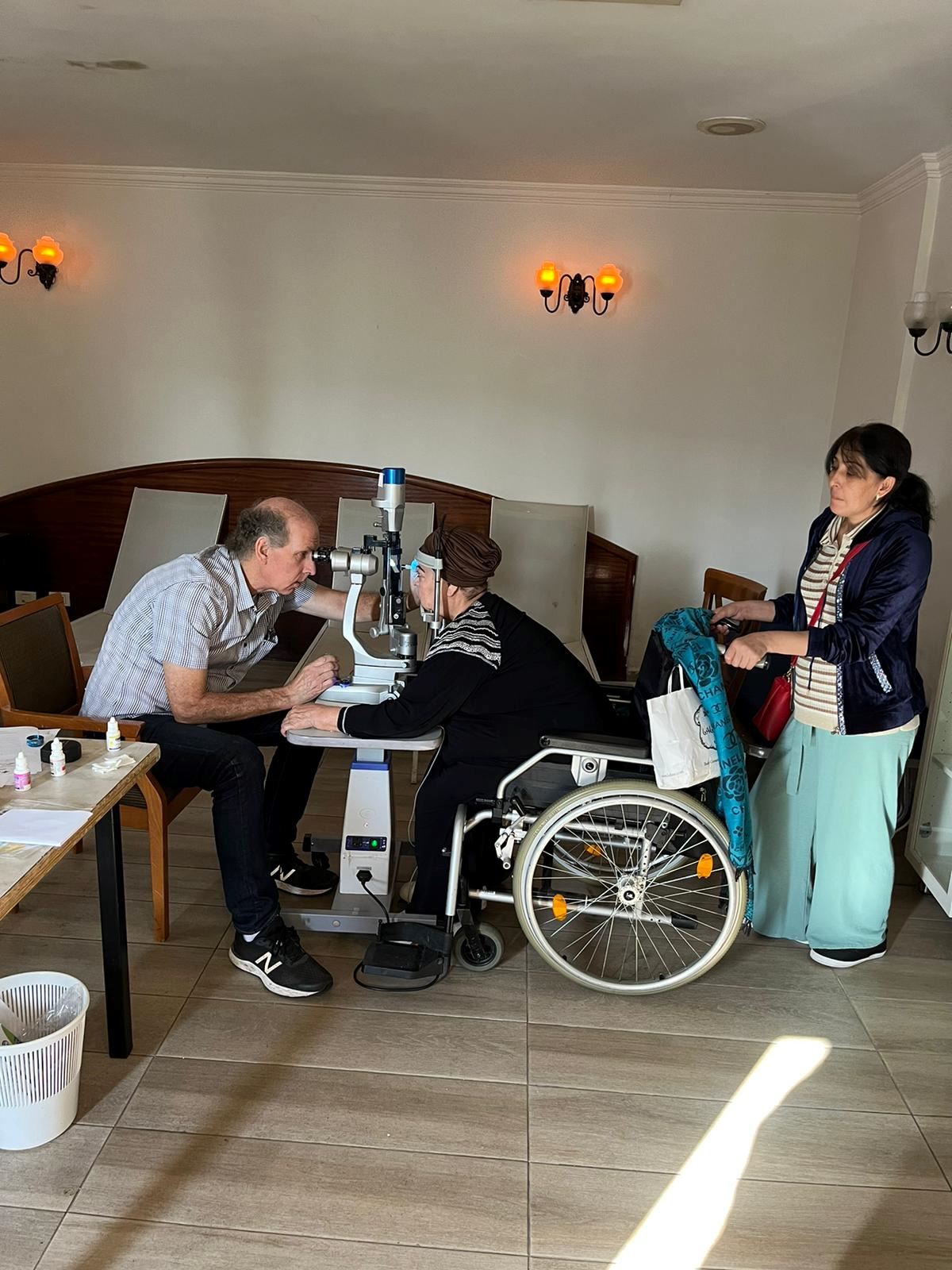
For those who are not mobile or have difficulty getting to the clinic, Lirot brings the clinic to them: to nursing homes, day centers, community centers, and even to their private homes. The results of the tests are transmitted using advanced technology to specialist ophthalmologists, who locate findings that require further clarification and sometimes even urgent treatment.
To date, the project has examined about 20,000 elderly people in about 70 different localities throughout the country, with 20% of them finding medical findings requiring treatment.
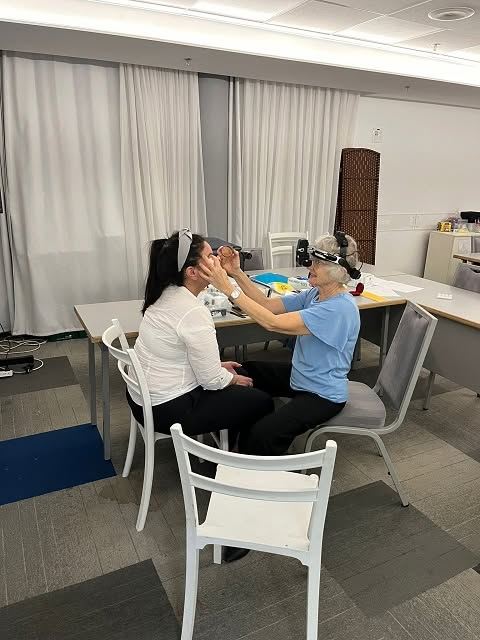
The preventive approach begins in childhood: over the years, the organization has conducted vision screening tests for children in kindergartens and has even produced campaigns to raise awareness of eye problems in children, with the understanding that early detection can make all the difference between a treatable vision problem and an injury that may accompany a child – throughout his life, such as lazy eye or nearsightedness.
When we are needed – we are there
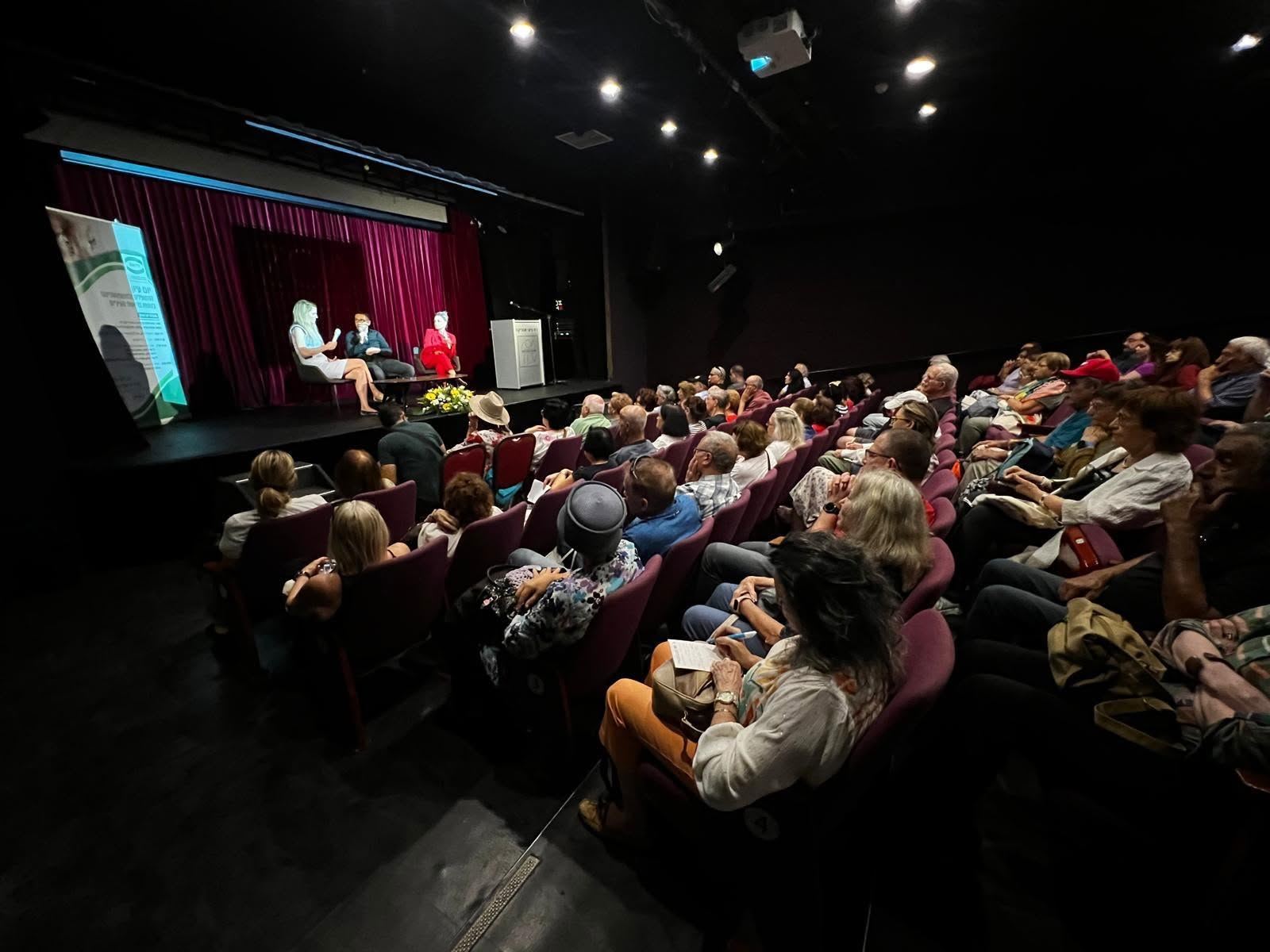
In addition to its ongoing activities, Lirot initiates special projects in accordance with the needs that arise from the field: for example, "Eye Health Awareness Month" is an annual project that has been held consistently for almost 20 years, alongside wars, epidemics, and in all conditions. Its goal is to bring eye health and the prevention of blindness to the forefront through webinars with the best experts, lectures for the general public, media activity, and the production of professional content. In recent awareness months, the digital campaigns have reached about 200,000 people and have provided advice and support to more than 1,000 families, parents, and caregivers.
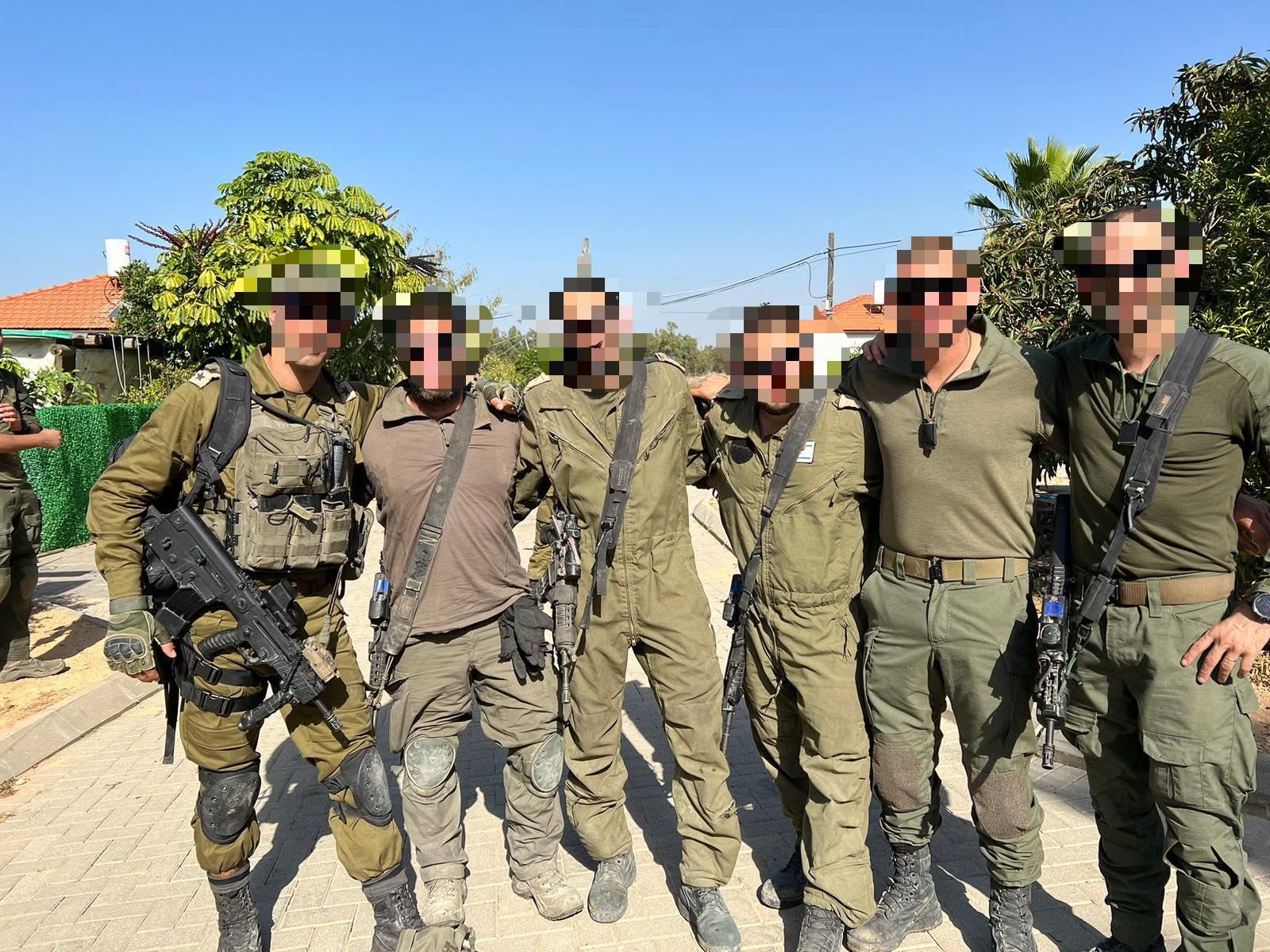
Another project was born out of an immediate need in the field: following the Iron Swords War, the association began purchasing goggles for fighters. Since the outbreak of the war, many soldiers have been injured in their eyes, and some have partially or completely lost their vision. Lirot works to reduce the risk by using advanced goggles, which are adapted for combat activity and do not require removal even under changing lighting conditions.
To date, more than 2,000 pairs have been purchased and distributed, giving fighters vital protection where even a fraction of a second can make all the difference.
Tomorrow's Vision Begins with Today's Study
Prevention does not end with early diagnosis. In order to change the face of ophthalmology in the future, it is also necessary to invest in research.
Over the years, Lirot has supported research and researchers in the field of eye health and provides research grants, which enable the advancement of new knowledge, the development of solutions and the deepening of the understanding of eye diseases.
As part of its activities, the association has supported dozens of studies, amounting to about 9.5 million NIS, and this year, in honor of the association's 20 years of activity, it will award four research grants, in the amount of 300,000 NIS, in the clinical and basic research fields.
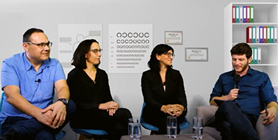
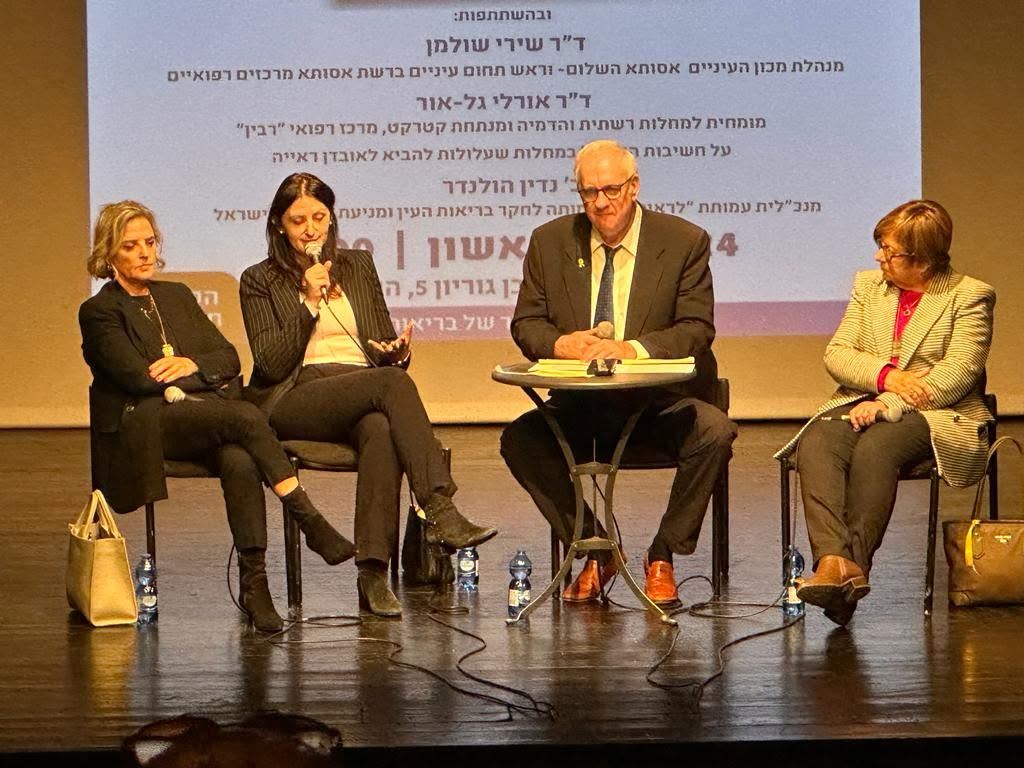
The association continues to make the accumulated knowledge accessible to the public through an information site rich in professional and reliable content, a monthly newsletter that reaches thousands of subscribers, forums where specialist doctors personally answer patients' questions, and professional conferences that are filmed and uploaded to a YouTube channel, which has become a rich library of knowledge in the field of ophthalmology.
20 Years of Action – and the Road Continues
What began two decades ago as an ambitious activity to reduce preventable blindness has become a broad practice that connects researchers, doctors, patients, and the general public.
We thank all the partners who helped make this happen and everyone who believed in us along the way: doctors, donors in Israel and abroad, and countless volunteers.
Thanks to you, it is possible to continue to act, to investigate, to locate, to prevent and to make it accessible – so that more people can see that "there is no great suffering like the agony of blindness" (Midrash Tehillim).